

Education is constantly evolving, and technology has become an important part of modern learning. Today’s students need more than textbook knowledge; they need creativity, communication skills, critical thinking, and digital awareness to succeed in the future.
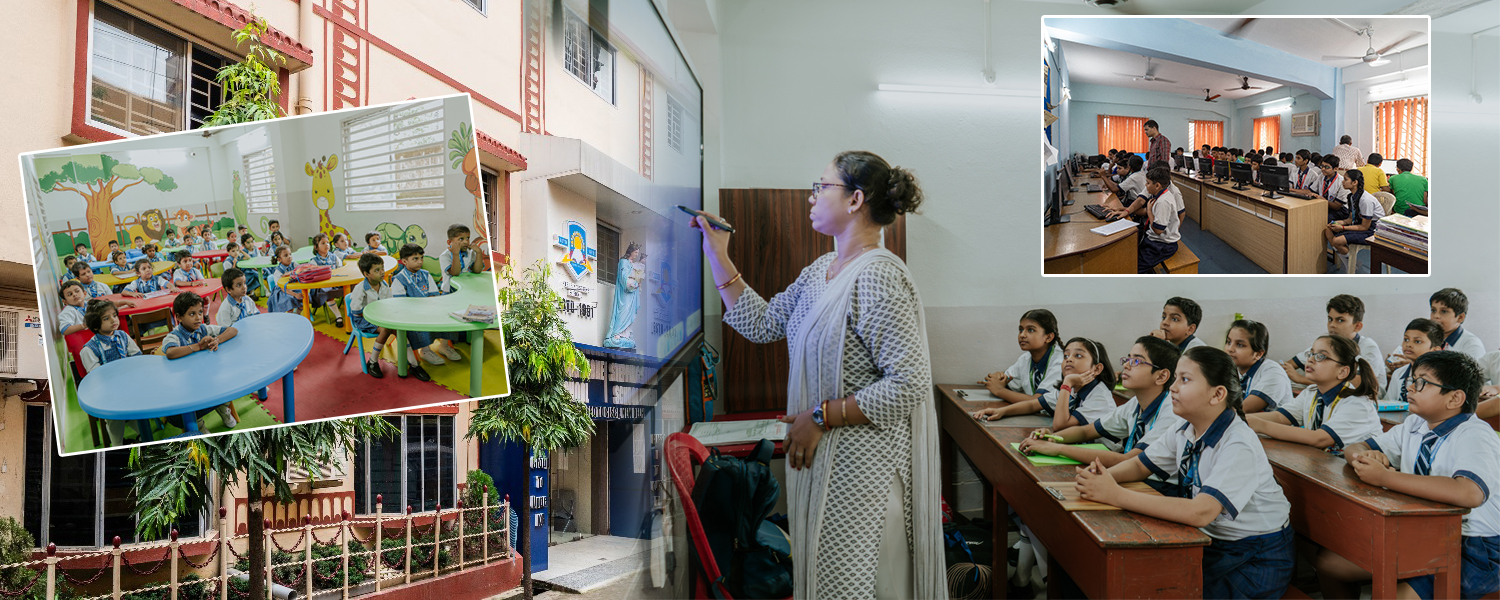
Smart classrooms are changing the traditional learning experience by creating an interactive, engaging, and student-friendly environment. With the use of technology, lessons become more interesting, easier to understand, and more connected to real-world experiences.
What Are Smart Classrooms?
A smart classroom is a modern learning space equipped with digital tools and technology that support better teaching and learning. It combines traditional teaching methods with innovative educational resources.
Smart classrooms may include:
- Interactive smart boards
- Digital learning materials
- Audio-visual tools
- Multimedia presentations
- Online educational resources
- Interactive activities
These tools help teachers explain concepts in a simple and effective way while making students active participants in their education.
Making Learning More Engaging
One of the biggest advantages of smart classrooms is that they make learning enjoyable. Instead of only listening to lectures, students can participate through discussions, quizzes, presentations, and group activities.
Visual demonstrations, animations, and videos help students understand complex topics easily. When children see and experience concepts practically, they remember lessons better and develop deeper understanding.
For example, science experiments, historical events, and mathematical concepts can be explained using digital visuals, making lessons more exciting and meaningful.
Improving Understanding and Memory
Every child learns differently. Some students understand better through visuals, while others learn through activities and discussions.
Smart classrooms support different learning styles by combining:
- Images
- Videos
- Diagrams
- Interactive content
- Real-time examples
This approach improves concentration and helps students retain information for a longer time.
Technology-based learning also encourages curiosity. Students become interested in exploring topics beyond textbooks and develop a habit of independent learning.
Supporting Teachers in Better Teaching
Smart classrooms do not replace teachers; they help teachers become more effective.
Teachers can use digital tools to:
- Present lessons creatively
- Explain difficult topics easily
- Track student progress
- Encourage classroom participation
With better teaching resources, educators can focus more on individual student needs and provide additional support where required.
Personalized Learning for Every Child
Every child has a unique learning speed and ability. Traditional methods may not always meet every student’s requirements.
Smart learning tools allow teachers to customize lessons according to student needs. This helps children learn comfortably without pressure and improves their confidence.
Personalized learning encourages students to:
- Ask questions
- Explore new ideas
- Improve their skills
- Learn independently
Preparing Students for the Future
The world is becoming increasingly digital. Future careers will require students to understand technology and adapt to changing environments.
Smart classrooms help children develop essential future skills such as:
- Digital literacy
- Problem-solving
- Creativity
- Collaboration
- Communication skills
These skills prepare students to face future challenges with confidence.
Creating a Better Learning Environment at Stepping Stone School
At 🏫✨ Stepping Stone School (High) ✨🏫, technology-supported education helps students experience learning in a modern and effective way.
The school focuses on building strong academic foundations while encouraging curiosity, creativity, and overall development.
With quality education and strong values, Stepping Stone School aims to create confident learners ready for tomorrow’s world.
🌟 Building Bright Futures with Quality Education & Strong Values 🌟📚
📍 89/90/1, Bangur Park, Rishra, Hooghly – 712248
📞 +91-9433854596
📧 contact@steppingstoneschool.in
🌐 www.steppingstoneschool.in
Conclusion
Smart classrooms represent the future of education. By combining technology with effective teaching, they make learning more interactive, personalized, and inspiring.
A modern education system is not only about achieving good marks; it is about developing skills, confidence, creativity, and a lifelong love for learning.
💬 “The classrooms of today create the innovators and leaders of tomorrow.”
FAQs
1. What is a smart classroom?
A smart classroom uses digital technology like smart boards, multimedia tools, and interactive resources to improve learning.
2. How do smart classrooms help students?
They make lessons more engaging, improve understanding, and support different learning styles.
3. Can technology replace teachers?
No. Technology supports teachers and helps them deliver better learning experiences.
4. Do smart classrooms improve academic performance?
Yes, interactive learning methods can improve understanding, concentration, and knowledge retention.
5. Why is digital learning important for children?
Digital learning develops technology skills needed for future education and careers.
6. Are smart classrooms useful for all age groups?
Yes. Smart learning methods can be adapted for different age groups and abilities.
7. What skills do students gain from smart classrooms?
Students develop creativity, communication, collaboration, digital skills, and problem-solving abilities.
Smart classroom education | Digital learning | Modern education | Future learning | Child development | Quality education | Interactive classroom | School technology
